

Hey there! I'm a supplier of Horizontal CNC machines, and I know how crucial it is to ensure the stability of the workpiece fixture on these machines. In this blog, I'll share some tips and tricks to help you achieve just that.
First off, let's talk about why stability is so important. When a workpiece isn't properly secured, it can move around during the machining process. This can lead to inaccurate cuts, poor surface finishes, and even damage to the machine or the workpiece itself. So, getting that fixture stable is the first step to a successful machining job.
Understanding the Basics of Workpiece Fixtures
Before we dive into the ways to ensure stability, let's have a quick look at what a workpiece fixture is. A workpiece fixture is a device that holds the workpiece in place during machining. It needs to be strong enough to withstand the forces generated by the cutting tools and the movement of the machine.
There are different types of fixtures, such as vises, clamps, and jigs. Each type has its own advantages and is suitable for different types of workpieces. For example, a vise is great for holding small, rectangular workpieces, while a clamp might be better for irregularly shaped pieces.
Choosing the Right Fixture
The first step in ensuring stability is choosing the right fixture for your workpiece. You need to consider the size, shape, and material of the workpiece. If you're working with a large, heavy workpiece, you'll need a more robust fixture. On the other hand, if it's a small, delicate piece, a lighter fixture might be sufficient.
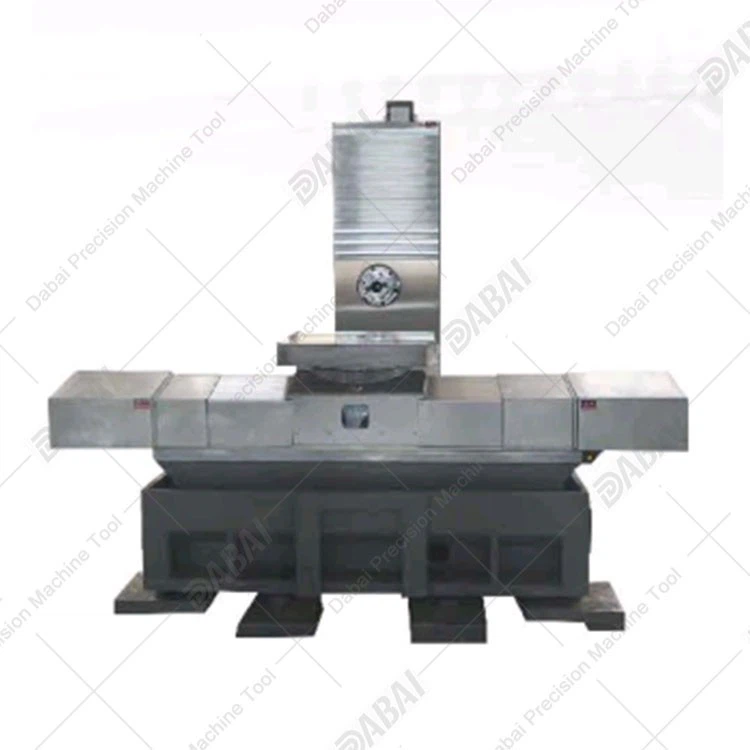
For instance, if you're using a HMC Machine, you need to make sure the fixture is compatible with the machine's table size and the way it operates. Some fixtures are designed specifically for horizontal CNC machines, and they can provide better stability compared to generic ones.
Proper Installation of the Fixture
Once you've chosen the right fixture, the next step is to install it correctly. This is where a lot of people make mistakes. A poorly installed fixture can cause all sorts of problems, including instability.
When installing the fixture, make sure it's centered on the machine table. Use a precision measuring tool to ensure accuracy. Tighten the bolts or clamps firmly, but don't over - tighten them. Over - tightening can distort the fixture or the machine table, which can also lead to instability.

Surface Preparation
The surface of the workpiece and the fixture also plays a big role in stability. If the surfaces are dirty, greasy, or uneven, the fixture won't grip the workpiece properly.
Before installing the workpiece in the fixture, clean both the workpiece and the fixture surfaces. You can use a degreaser to remove any oil or grease. If the surfaces are uneven, you might need to machine them to make them flat. This will ensure a better contact between the workpiece and the fixture, improving stability.
Using Support Structures
In some cases, especially when dealing with large or irregularly shaped workpieces, you might need to use support structures. These can include blocks, wedges, or custom - made supports.
Support structures help distribute the weight of the workpiece evenly and prevent it from tipping or moving during machining. For example, if you're machining a long, thin workpiece on a 4 Axis Horizontal Machining Center, you can use blocks at both ends to support it and keep it stable.
Balancing the Workpiece
Balancing is another important factor in ensuring stability. An unbalanced workpiece can cause vibrations during machining, which can lead to inaccurate cuts and reduced tool life.
To balance the workpiece, you need to make sure its center of gravity is aligned with the center of the fixture. You can use a balancing tool to measure the balance and make adjustments as needed. If the workpiece has an uneven shape, you might need to add counterweights to achieve balance.
Regular Maintenance of the Fixture
Just like the machine itself, the fixture needs regular maintenance. Over time, the fixture can wear out, and its components can become loose. This can affect its stability.
Inspect the fixture regularly for signs of wear and tear. Check the bolts, clamps, and other components to make sure they're tight. If any parts are damaged, replace them immediately. Lubricate the moving parts to ensure smooth operation.
Monitoring During Machining
Even if you've done everything right in terms of fixture selection, installation, and maintenance, it's still important to monitor the workpiece during machining. Keep an eye on the cutting process and look for any signs of movement or instability.
If you notice any issues, stop the machine immediately and make the necessary adjustments. This could involve tightening the fixture, adjusting the support structures, or re - balancing the workpiece.
Training and Operator Skill
Finally, the skill of the operator also plays a crucial role in ensuring the stability of the workpiece fixture. A well - trained operator knows how to choose the right fixture, install it correctly, and monitor the machining process.
Provide your operators with proper training on fixture selection, installation, and maintenance. Encourage them to share their experiences and learn from each other. This will help improve the overall quality of your machining operations.
In conclusion, ensuring the stability of the workpiece fixture on a Horizontal CNC machine is a multi - step process. It involves choosing the right fixture, installing it correctly, preparing the surfaces, using support structures, balancing the workpiece, maintaining the fixture, monitoring during machining, and having skilled operators.
If you're in the market for a Best Horizontal Machining Center or need more advice on workpiece fixture stability, we're here to help. We've got a team of experts who can guide you through the process and provide you with the best solutions for your machining needs. Don't hesitate to reach out to us for a consultation and let's start a great partnership in the world of horizontal CNC machining.