

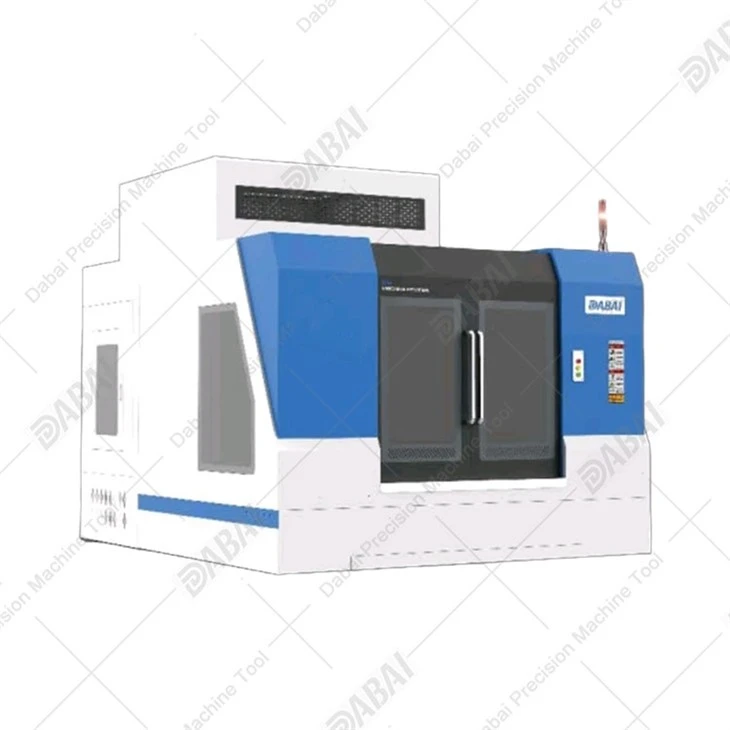
Vibration is a common and troublesome issue in horizontal machining processes. As a dedicated supplier of CNC Horizontal Machining, CNC HMC Machine, and CNC Horizontal Machining Center, we understand the significant impact of vibration on machining quality, tool life, and overall production efficiency. In this blog, we will explore various strategies to reduce vibration in horizontal machining, based on our extensive experience and industry knowledge.
Understanding the Causes of Vibration in Horizontal Machining
Before we can effectively reduce vibration, it is crucial to understand its root causes. Vibration in horizontal machining can be classified into two main types: forced vibration and self - excited vibration.
Forced vibration is typically caused by external forces acting on the machining system. These forces can come from the rotation of the spindle, the movement of the feed axes, or the cutting process itself. For example, an unbalanced tool or workpiece can generate a centrifugal force during rotation, leading to forced vibration. The misalignment of the machine components, such as the spindle and the worktable, can also introduce external forces that cause vibration.
Self - excited vibration, on the other hand, occurs when the machining system generates its own vibration due to the interaction between the cutting tool and the workpiece. This type of vibration is often related to the cutting parameters, such as cutting speed, feed rate, and depth of cut. When these parameters are not properly selected, the cutting process can become unstable, resulting in self - excited vibration.

Strategies to Reduce Vibration
1. Tool Selection and Maintenance
- Tool Geometry: Choosing the right tool geometry is essential for reducing vibration. Tools with sharp cutting edges and appropriate rake angles can reduce the cutting force and minimize the tendency for vibration. For example, a tool with a positive rake angle can reduce the cutting force and improve the chip flow, which in turn reduces the likelihood of vibration.
- Tool Balance: Ensuring that the cutting tools are properly balanced is crucial. An unbalanced tool can generate a centrifugal force during rotation, which can cause vibration. Regularly check and balance the tools using a tool balancer to minimize this effect.
- Tool Wear: Worn - out tools can increase the cutting force and cause vibration. Replace the tools in a timely manner to maintain the cutting performance and reduce vibration.
2. Workpiece Fixturing
- Proper Clamping: Securely clamping the workpiece is essential to prevent it from moving during the machining process. A loose workpiece can cause vibration and affect the machining accuracy. Use appropriate clamping devices, such as vises or fixtures, to ensure a firm hold on the workpiece.
- Workpiece Stability: Consider the shape and size of the workpiece when designing the fixturing system. A workpiece with a large aspect ratio or an irregular shape may be more prone to vibration. Use additional support or bracing to improve the workpiece stability.
3. Machine Setup and Alignment
- Spindle Alignment: Ensure that the spindle is properly aligned with the worktable and other machine components. Misaligned spindles can cause vibration and reduce the machining accuracy. Regularly check and adjust the spindle alignment using precision measuring tools.
- Machine Leveling: Leveling the machine is crucial for reducing vibration. An uneven machine base can cause the machine to vibrate during operation. Use a spirit level to ensure that the machine is level and adjust the leveling feet as needed.
4. Cutting Parameter Optimization
- Cutting Speed: Selecting the appropriate cutting speed is critical for reducing vibration. A cutting speed that is too high or too low can cause vibration. Refer to the tool manufacturer's recommendations and conduct cutting tests to determine the optimal cutting speed for the specific machining operation.
- Feed Rate: The feed rate also affects the cutting force and vibration. A feed rate that is too high can increase the cutting force and cause vibration, while a feed rate that is too low can lead to poor chip evacuation and tool wear. Adjust the feed rate based on the cutting conditions and the material being machined.
- Depth of Cut: The depth of cut should be carefully selected to avoid excessive cutting force and vibration. A large depth of cut can increase the cutting force and cause vibration, especially when machining hard materials. Reduce the depth of cut if vibration is observed during the machining process.
5. Damping and Vibration Absorption
- Damping Materials: Using damping materials can help absorb and reduce vibration. For example, rubber pads or viscoelastic materials can be placed between the machine base and the floor to dampen the vibration. These materials can convert the vibrational energy into heat, reducing the amplitude of the vibration.
- Dynamic Absorbers: Dynamic absorbers can be installed on the machine to counteract the vibration. These devices work by creating an opposing force that cancels out the vibration. They are particularly effective in reducing forced vibration.
Case Studies
To illustrate the effectiveness of these vibration - reduction strategies, let's look at a few case studies.
In a manufacturing plant, a company was experiencing significant vibration during the horizontal machining of aluminum parts. By optimizing the cutting parameters, such as reducing the cutting speed and feed rate, and using a tool with a more appropriate geometry, the vibration was significantly reduced. The surface finish of the machined parts improved, and the tool life was extended.
Another case involved a machine shop that was machining steel components. They found that the vibration was caused by an unbalanced tool. After balancing the tool and adjusting the spindle alignment, the vibration was eliminated, and the machining accuracy was improved.
Conclusion
Reducing vibration in horizontal machining is a complex but achievable goal. By understanding the causes of vibration and implementing the appropriate strategies, such as tool selection and maintenance, workpiece fixturing, machine setup and alignment, cutting parameter optimization, and damping and vibration absorption, we can significantly improve the machining quality, tool life, and production efficiency.
As a leading supplier of CNC Horizontal Machining, CNC HMC Machine, and CNC Horizontal Machining Center, we are committed to providing our customers with high - quality products and solutions to address their machining needs. If you are interested in learning more about our products or have any questions regarding vibration reduction in horizontal machining, please feel free to contact us for a procurement discussion.
References
- Smith, J. (2018). Machining Vibration: Causes and Solutions. Machining Technology Journal, 15(2), 45 - 52.
- Jones, A. (2019). Tool Selection for Vibration - Free Machining. Manufacturing Engineering Review, 22(3), 78 - 85.
- Brown, C. (2020). Optimizing Cutting Parameters to Reduce Vibration in Horizontal Machining. Precision Engineering, 34(1), 12 - 20.