

What is the table size of a common CNC horizontal machining center?
As a seasoned provider in the realm of Horizontal Machining, I've had the privilege of witnessing firsthand the evolution and innovation in the field of CNC horizontal machining centers. One of the frequently asked questions we encounter from potential clients is about the table size of these machines. In this blog post, I'll delve into the details of common table sizes, their significance, and how they influence the machining process.
Understanding the Basics of CNC Horizontal Machining Centers
Before we get into the table sizes, let's briefly recap what a CNC horizontal machining center is. A CNC (Computer Numerical Control) horizontal machining center is a high - precision machine tool used in manufacturing processes. It's designed to perform a variety of machining operations such as milling, drilling, boring, and tapping on a workpiece. The horizontal orientation of the spindle offers several advantages, including better chip evacuation and the ability to machine multiple sides of a part in one setup.
Common Table Sizes
CNC horizontal machining centers come in a wide range of table sizes to accommodate different manufacturing needs. The table size is typically determined by the dimensions of the largest workpiece that the machine is intended to handle. Here are some of the most common table sizes and their applications:
Small - Sized Tables (300mm x 300mm - 500mm x 500mm)
These compact tables are ideal for small - scale machining projects, such as the production of precision components for the electronics, medical, and watchmaking industries. The small table size allows for high - precision machining due to the reduced movement of the workpiece and the spindle. Since the machine has to cover a smaller area, it can achieve faster cycle times and greater accuracy. For example, in the production of micro - gears for medical devices, a small - sized table on a CNC HMC Machine can precisely mill the teeth with the required tolerances.
Medium - Sized Tables (500mm x 500mm - 800mm x 800mm)
The medium - sized tables strike a balance between versatility and capacity. They are commonly used in general manufacturing, aerospace, and automotive industries. These tables can handle a wider range of workpiece sizes, from small - to medium - sized engine parts to structural components for aerospace applications. With a medium - sized table, manufacturers can machine multiple parts simultaneously or larger single parts. For instance, in the automotive industry, a medium - sized table can be used to machine cylinder heads, which require a combination of precision milling, drilling, and tapping operations.
Large - Sized Tables (800mm x 800mm and above)
Large - sized tables are suitable for heavy - duty machining applications, such as the production of large molds, machine frames, and structural components for the construction and energy industries. These machines are capable of handling massive workpieces with high precision. The large table provides a stable platform for the workpiece, reducing vibrations and ensuring accurate machining. For example, in the production of large hydraulic turbine components, a large - sized table on a Best Horizontal Machining Center can accommodate the bulky workpiece and perform complex machining operations over a large surface area.
Factors Influencing the Choice of Table Size
When selecting the appropriate table size for a CNC horizontal machining center, several factors need to be considered:
Workpiece Dimensions
The most obvious factor is the size of the workpieces that you intend to machine. It's essential to choose a table size that can comfortably accommodate the largest dimension of your typical workpieces. However, it's also important to leave some extra space on the table for fixturing and clamping devices.
Production Volume
If you're dealing with high - volume production, a larger table size may allow you to load multiple workpieces simultaneously, increasing the throughput of your machining operations. On the other hand, for low - volume or prototype production, a smaller table size may be sufficient, as it can reduce the machine's cost and footprint.
Machining Operations
The type of machining operations you'll be performing also plays a role in determining the table size. Some operations, such as multi - sided machining or the use of large cutting tools, may require more space on the table. If you're planning to perform complex operations that involve a lot of tool changes and movement of the workpiece, a larger table can provide the necessary room for maneuverability.
Floor Space Availability
The physical space in your manufacturing facility is another important consideration. Larger machines with larger tables require more floor space. You need to ensure that you have enough space for the machine, as well as for the setup and maintenance areas. Additionally, you should also consider the accessibility of the machine for operators and the movement of workpieces and materials around the machine.
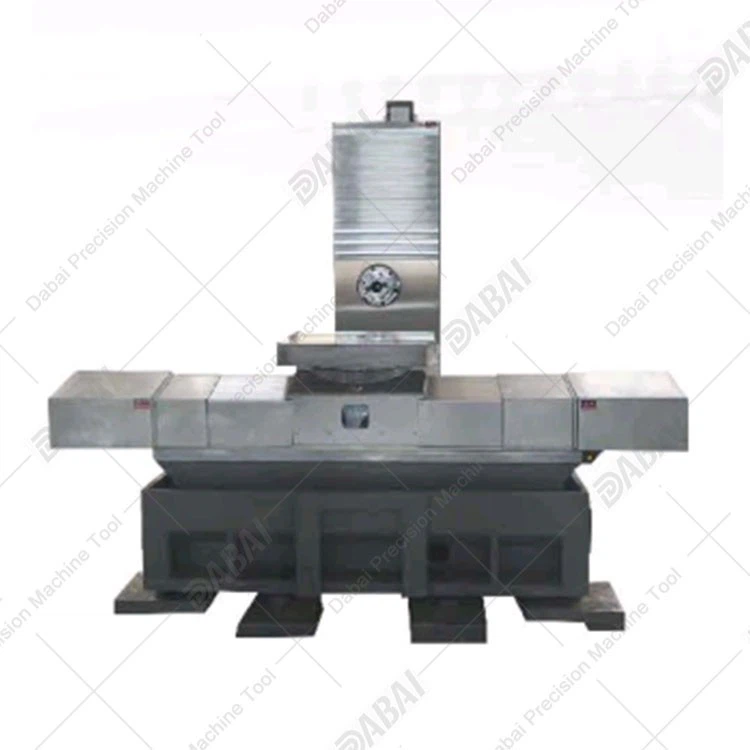

The Impact of Table Size on Machining Performance
The table size of a CNC horizontal machining center can have a significant impact on its machining performance:
Accuracy and Precision
A smaller table size generally allows for higher accuracy and precision, as there is less movement of the workpiece and the spindle. The reduced distance between the cutting tool and the workpiece also minimizes the effect of vibrations, resulting in better surface finishes and tighter tolerances. However, larger tables can also achieve high accuracy if they are properly designed and constructed with high - quality components.
Productivity
As mentioned earlier, larger tables can increase productivity by allowing for the simultaneous machining of multiple workpieces. This reduces the cycle time per part and increases the overall throughput of the machine. Additionally, a larger table can also accommodate larger cutting tools, which can remove material more quickly, further enhancing productivity.
Flexibility
A medium - sized table often offers the most flexibility, as it can handle a wide range of workpiece sizes and machining operations. It provides a good balance between the ability to machine small, precise parts and larger, more complex components. However, if your manufacturing needs are very specific, such as only machining large or small parts, then choosing a table size that matches your requirements can provide the best results.
Conclusion
In conclusion, the table size of a CNC horizontal machining center is a crucial factor that needs to be carefully considered when selecting a machine. It depends on various factors such as the workpiece dimensions, production volume, machining operations, and floor space availability. Whether you're looking for a machine with a small, medium, or large table size, our company offers a wide range of Horizontal Machining solutions to meet your specific needs.
If you're interested in learning more about our CNC horizontal machining centers or would like to discuss your machining requirements, we encourage you to reach out to our team. We'll be happy to provide you with detailed information and assist you in choosing the right machine for your business.